Tesla Scraps Cybertruck Plans for Australia and New Zealand, Ending Seven-Year Wait
Reservation holders in the region are being notified that their deposits will be refunded as the automaker pivots to selling right-hand-drive sedans.
By Aever Bundji ·
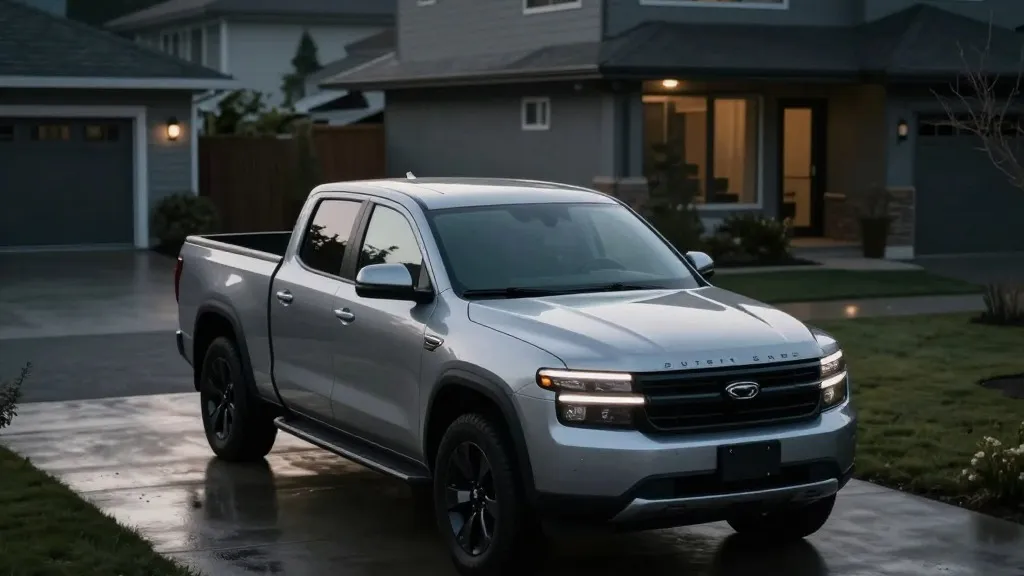
Tesla has formally terminated its Cybertruck program for Australia and New Zealand, signaling the end of a nearly seven-year wait for local reservation holders. Emails sent out today to customers confirm that their orders are void and that full refunds will be processed within 30 days. This decision marks a definitive shift away from the electric pickup for the region, leaving thousands of early backers without the vehicle they reserved back in 2019.
The notification, which has since circulated on social media platforms, states that after careful consideration, production plans for the region have been discontinued. Consequently, Tesla can no longer fulfill the existing reservations. To soften the blow, the company is offering a free one-year subscription to its Full Self-Driving (Supervised) software for anyone who switches their reservation to a Model 3 or Model Y, effectively attempting to convert lost pickup interest into sales of its standard right-hand-drive sedans.
This move comes just one day after Tesla released its Q3 2026 earnings report. The delay in canceling the orders has been a source of frustration for many, as the company quietly closed the Australian reservation page in May 2022 without offering immediate refunds. At the time, customers were left with a "Get updates" button and were told to keep waiting, a status that persisted for four more years despite repeated promises from CEO Elon Musk that certification for other markets was "next year."
The core technical hurdle has always been drivetrain orientation. The Cybertruck is manufactured exclusively in left-hand drive, a configuration incompatible with the right-hand-drive requirements of Australia, New Zealand, the UK, and Japan. Furthermore, the vehicle requires specific certification under local design rules, creating a significant financial burden for a product that is facing softening demand in its home North American market.
Financially, the numbers do not support a right-hand-drive re-engineering effort. Tesla’s international Cybertruck launches have been limited to left-hand-drive regions, including South Korea, the UAE, and several Middle Eastern nations. In Q3 2026, the company delivered just 8,295 units in the "Other Models" category, a figure that now largely represents Cybertruck sales since Model S and X production ended. With estimated quarterly sales hovering between 7,000 and 8,000 units—well below the production line’s 250,000 annual capacity—executives likely viewed the cost of adapting the truck for a combined population of 33 million as unjustifiable.
Although many Australian reservation holders may have already canceled their pre-orders due to the truck's increased price and reduced range compared to initial promises, the official cancellation confirms the vehicle's status as a niche, primarily American product. The company’s international strategy now appears focused on finding buyers for existing left-hand-drive units rather than investing in new regional adaptations.
Source: Electrek