Meta is now running Google's AI chips in its data centers
A new software update allows Meta to use Google's TPU hardware with its standard PyTorch tools, marking a significant shift in the AI chip market.
By Mariana Delgado ·

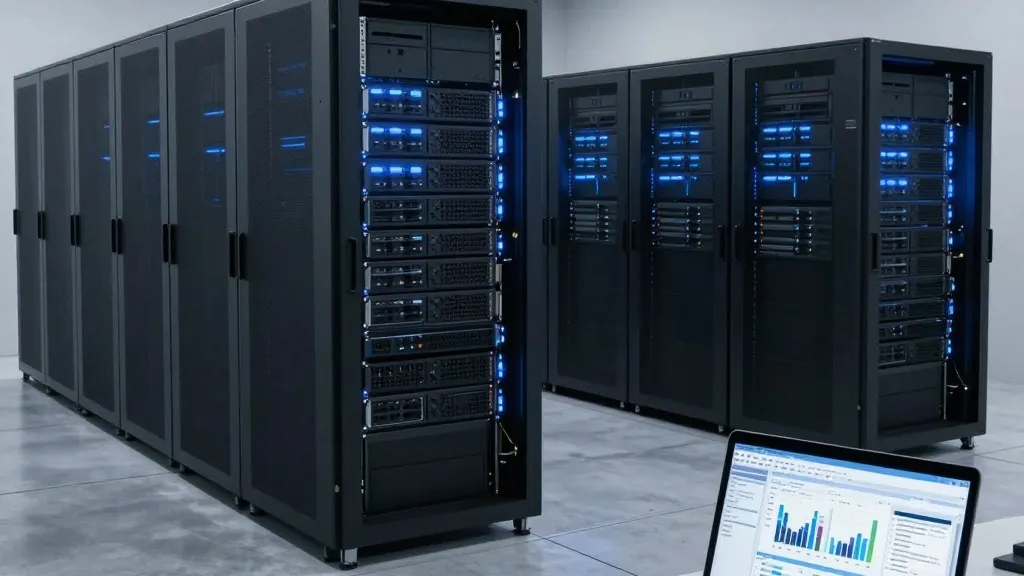
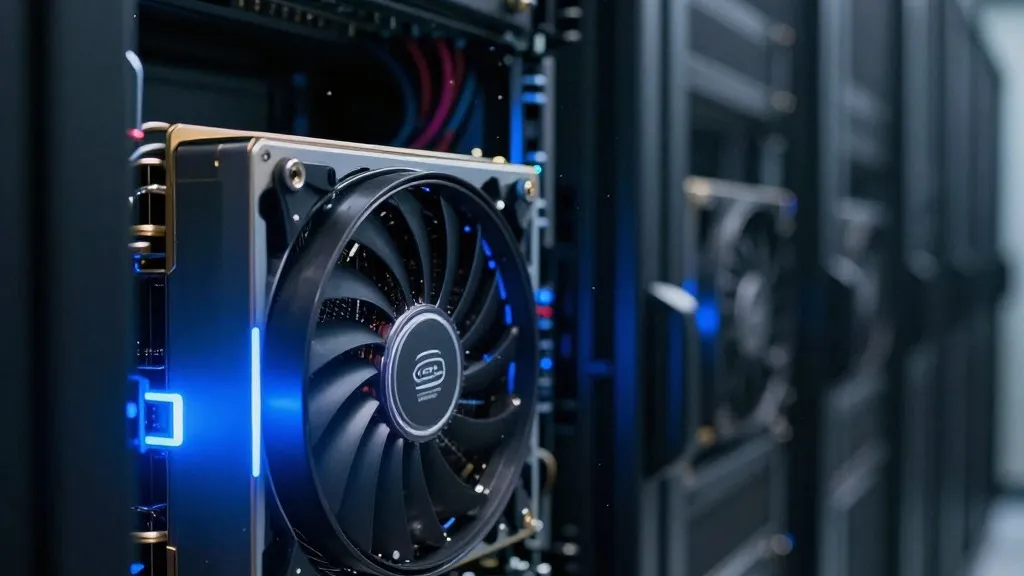
Google’s custom AI chips are now officially running inside Meta’s data centers.
This move marks the first time Google has sold its Tensor Processing Units, or TPUs, to an external customer for production workloads. The news was announced on Google’s developer blog this week. It signals a major change in how large tech companies buy and use hardware for artificial intelligence.
For years, the industry has been dominated by one main player. Nvidia has held a strong grip on the market for AI accelerators. Its software ecosystem, known as CUDA, has made it the default choice for most developers. Google’s TPUs have mostly stayed inside Google’s own data centers. They powered the company’s internal AI models but were rarely seen outside. This new deal breaks that pattern.
The key to this shift is a software update. Google released a new version of the SGLang inference engine. It also made a similar update for vLLM, another popular tool. These updates allow the chips to work natively with PyTorch. PyTorch is the AI framework that Meta created and widely uses. Previously, running these engines on Google hardware required using a different framework called JAX. That often meant rewriting code. The new versions remove that barrier. Developers can now use their existing PyTorch code on Google’s hardware without major changes.
Meta’s team confirmed that the system is already live. Zongwei Zhou, who leads the PyTorch-TPU effort at Meta, said the setup is running in production today. He credited a close collaboration between Meta, Google, and the SGLang team. The SGLang team is part of a startup called RadixArk. That company built the engine in partnership with the two tech giants. Zhou described the result as a mature serving stack that feels natural for PyTorch users.
Jana van Greunen, a director at Meta, explained the strategic reason. She said Meta cannot be limited to one type of hardware architecture. The new tool, called TorchTPU, lets Meta deploy its workloads directly to Google’s chips. Google stated that it co-developed this tool with Meta’s PyTorch team. This is not the first time Meta has looked at Google’s hardware. An older bridge called PyTorch/XLA existed before. Reports suggest Meta research teams used TPUs through that bridge from 2020 to 2023. However, those contracts were later canceled. The new push seems designed to keep Meta from having to switch to Google’s JAX framework.
Details on the physical location of these chips are still unclear. It is not yet known exactly where Meta’s production TPUs are installed. However, talks last year reportedly involved renting Google Cloud TPUs in 2026. There were also discussions about purchasing hardware in 2027. Meta later reportedly signed a multi-year rental agreement. This suggests a long-term commitment to the partnership.
The timing of this announcement is notable. It came one day after Amazon announced it was open-sourcing its own backend for its Trainium chips. Both moves aim to loosen the software lock-in that has favored Nvidia. By making their hardware easier to use with standard tools, Google and Amazon are trying to offer real alternatives. This could pressure Nvidia to adjust its strategy or pricing.
Performance tests show the new setup is competitive. A tuned version of vLLM serving a large model called Kimi K3 reportedly reached over 700 tokens per second. This test used the seventh-generation Ironwood TPU. The speed was achieved with 16 chips and a technique called speculative decoding. For comparison, a similar setup on 16 Nvidia GB200 chips reached 452 tokens per second. The new kernels for other models also show significant speed improvements at small batch sizes.
The companies plan to expand support for more models. SGLang-TorchTPU will add support for DeepSeek V4.1 Flash and Reflection Beam next. The teams aim to provide support for new open models on the day they are released. This goal, known as Day 0 support, is targeted for the first quarter of 2027. Google, Meta, and RadixArk will share more details at the SGLang Summit in San Francisco on November 12 and 13.
Source: Tom's Hardware